
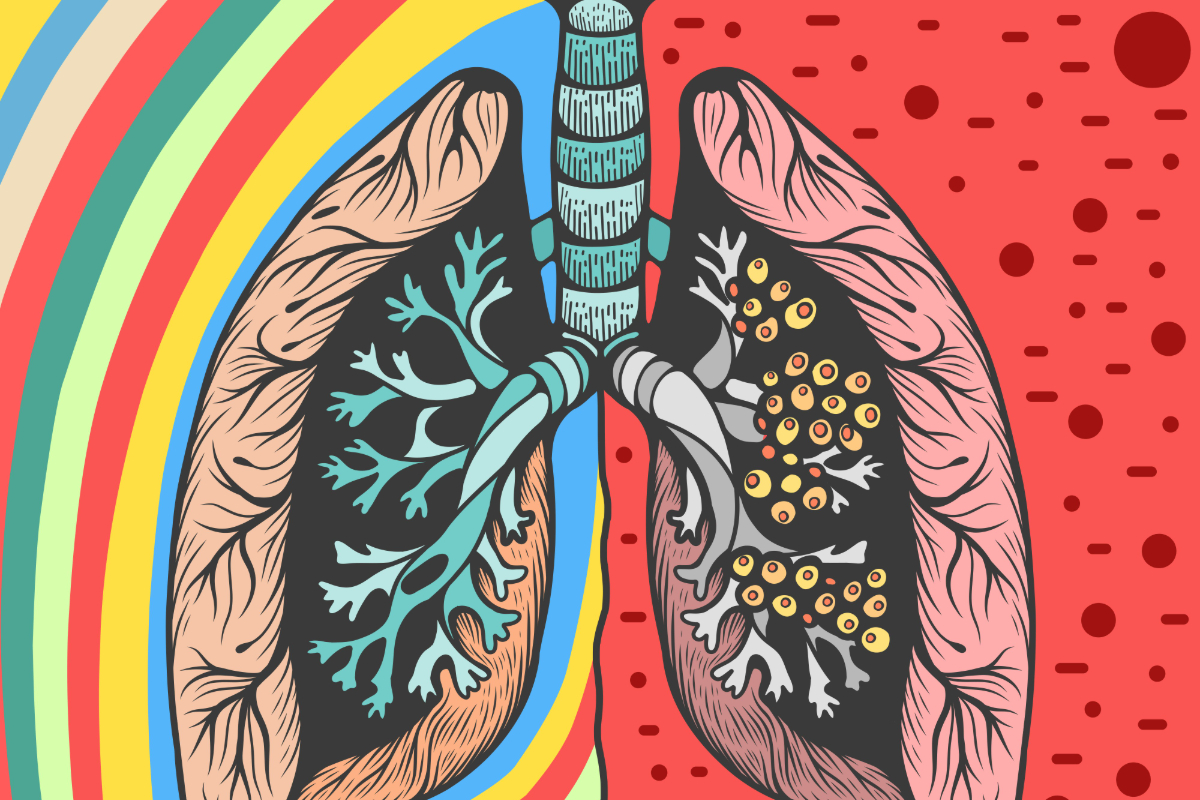
Microplastics have now been detected in human blood, breastmilk, placental tissue, and deep within the lungs. Heavy metals like mercury and lead continue to show up in everything from water systems to prenatal vitamins. This is not a fringe concern—it’s a public health crisis we carry inside our bodies.
Mainstream wellness culture offers band-aids: trendy powders, green juices, overpriced binders. But Ayurveda has addressed toxic accumulation for millennia—through one of its oldest and most sophisticated tools: ghee.
Table of Contents
The Physical Sharpness of Modern Toxins
This is not metaphor. Heavy metals are literally sharp—as in, jagged, angular particles under a microscope that pierce cell membranes and embed in tissues. Modern toxicology confirms what Ayurveda has long understood: some substances are fast-acting, deeply penetrating, and damaging to the body at a systemic level.
In Ayurvedic terms, they carry tikshna guna—sharpness—and sukshma—subtlety—allowing them to reach deep into the tissues (dhatus). Microplastics, now found throughout the human body, behave in much the same way. They are not inert particles. They disrupt, inflame, and accumulate.

Ghee as a Therapeutic Antidote to Sharpness
Ghee, in contrast, is soft. It is snigdha (unctuous), mridu (gentle), sheeta (cooling), and guru (grounding). These qualities do more than nourish—they neutralize sharpness and escort toxins out of the body through intelligent pathways.
Rather than flushing or shocking the system, ghee penetrates tissues via fat channels and binds to fat-soluble toxins—including heavy metals, persistent organic pollutants, and potentially, plastics. It then brings them back to the GI tract for elimination. This is the foundation of Ayurvedic cleansing protocols like Panchakarma.

Panchakarma: A Systemic Response to Deep-Seated Toxins
Panchakarma is not a wellness reset or a marketing concept. It is a clinical protocol for removing deeply embedded toxins from the body—specifically from fat tissue, connective tissue, and reproductive tissue, where many modern toxins accumulate.
It includes:
- Snehana – internal and external oleation (often using ghee)
- Swedana – therapeutic sweating
- Shodhana – active elimination through techniques such as virechana (purgation), basti (enema), and vamana (therapeutic emesis)
Each of these practices has specific indications and sequencing. Done properly, they open the channels, mobilize toxins, and safely eliminate what the body has been unable to release on its own.
I’ve done nine Panchakarmas in my lifetime—nine full, structured clinical cleanses under the guidance of an Ayurvedic physician. Each one has been emotionally and physically challenging. There is no bypassing in Panchakarma. You go into the places your body has hidden things for years—grief, toxins, fear—and you stay long enough for them to move. And every single time, I’ve emerged clearer. More embodied. Transformed.
Snehapana at Home: A Gentle Entry Point
While full Panchakarma should always be done with guidance, there are at-home protocols that can offer a lighter yet effective version of Ayurvedic cleansing.
Snehapana is one of those practices. It involves:
- Taking small, increasing doses of warmed ghee on an empty stomach for 3–5 days
- Following a simple mono-diet such as kitchari
- Resting and hydrating
- Ending with a mild laxative (such as triphala or castor oil) to eliminate what has been dislodged
This is not about restriction. It’s not a juice cleanse or a fast. It’s a slow, deliberate softening of the tissues—an invitation to the body to let go of what it’s been forced to hold.
This kind of work must be respected. It is not appropriate for everyone, nor is it plug-and-play. The strength of digestion, season, and individual constitution must be considered.
Reframing Detox in the Age of Plastics
We are living in a toxic ecosystem, both internally and externally. Microplastics and heavy metals are not theoretical—they are in our blood, our organs, our children. Cleansing is no longer optional. It is necessary.
But we cannot meet this toxic burden with force or fads. We must meet it with precision, nourishment, and the kind of medicine that understands how to navigate subtle, embedded toxicity.
Ayurveda gives us that medicine. Ghee gives us the medium. And Panchakarma gives us the process.

Ghee is not a trend. It is a clinical tool that is soft enough to disarm what is sharp, strong enough to carry it out, and wise enough to do so without causing harm.
For those with established care, I offer personalized support for home-based ghee cleanses—a gentle and intelligent entry point into deeper detox work. Learn more about me here.
Lastly, I don’t take spiritual advice from men, it’s not personal. Read my recent blog here
References
- Leslie, H. A., et al. (2022). Discovery and quantification of plastic particle pollution in human blood. Environmental International
- Ragusa, A., et al. (2022). Detection of microplastics in human breastmilk. Polymers
- Ragusa, A., et al. (2021). Plasticenta: First evidence of microplastics in human placenta. Environment International
- Amato-Lourenço, L. F., et al. (2021). Presence of airborne microplastics in human lung tissue. Journal of Hazardous Materials
- Li, B., et al. (2020). Health risks of microplastics: A review. Environmental International
- Zhao, F., et al. (2020). The role of nanoparticle shape and surface charge. Science of the Total Environment
- Rao, R. V., et al. (2005). Heavy Metal Detoxification through Ayurveda: A Case Study. Ancient Science of Life
- Kumar, A., et al. (2011). Panchakarma: A comprehensive Ayurvedic detoxification protocol. Journal of Ayurveda and Integrative Medicine